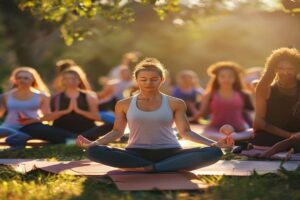
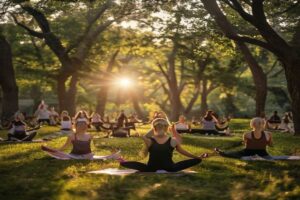
ALT text: A serene person practicing meditation in nature to enhance mental health.
Meditation has surged in popularity over the past decade, not just as a relaxation technique but as a powerful tool for improving mental health. The chaos of modern life often leaves individuals feeling overwhelmed and stressed, leading to an urgent need for effective coping mechanisms. This article delves into the myriad benefits of meditation for mental health, how it works, types of meditation, and ways to integrate it into daily life.
Understanding Meditation and Its Impact on Mental Health
What is Meditation?
Meditation is a practice that involves focusing the mind, often through techniques such as mindfulness, breathing exercises, or visualization, to achieve a mentally clear and emotionally calm state. It is recognized for its ability to bring about profound changes not just in mental clarity but also in overall emotional well-being.
How Meditation Affects Mental Health
Numerous scientific studies have explored the effects of meditation on mental health, revealing significant benefits that can help alleviate various psychological concerns. Here are some key ways meditation improves mental health:
-
Reduces Symptoms of Anxiety and Depression
Meditation can significantly reduce feelings of anxiety and depression through relaxation and mindfulness practices. -
Enhances Emotional Well-Being
Regular practice fosters a more positive outlook on life, improving overall emotional resilience. -
Increases Self-Awareness
Meditation encourages self-reflection, aiding in personal growth and enhancing the understanding of one’s thoughts and behaviors. -
Improves Concentration and Attention
Mindfulness meditation can improve focus, making daily tasks feel less overwhelming. -
Promotes Better Sleep
By reducing anxiety and creating a calm mind, meditation can enhance sleep quality, which is essential for maintaining mental health.
Scientific Evidence Supporting Meditation
Research supports meditation’s effectiveness in improving mental health:
- A study published in Psychosomatic Medicine indicated that mindfulness meditation reduced symptoms of anxiety in participants.
- Research in the journal JAMA Internal Medicine found mindfulness meditation to be effective in decreasing anxiety, depression, and pain.
Types of Meditation for Mental Health
Understanding the various forms of meditation can help individuals select the method that best fits their needs. Here are some popular types:
1. Mindfulness Meditation
Mindfulness meditation involves focusing on the present moment and observing thoughts and feelings without judgment. It is widely used to help with stress reduction and emotional regulation.
2. Transcendental Meditation (TM)
TM is a simple technique where one silently repeats a mantra to settle the mind into profound rest and relaxation, facilitating deeper emotional healing.
3. Loving-Kindness Meditation
This type of meditation emphasizes sending love and goodwill to oneself and others, fostering compassion and reducing feelings of loneliness.
4. Guided Meditation
Guided meditation involves following a narration, often facilitated by an instructor or through an app, which leads participants through different relaxation techniques.
Integrating Meditation into Daily Life
Incorporating meditation into your daily routine can maximize its mental health benefits. Here are some effective strategies:
Create a Dedicated Space
Designate a calm, quiet space in your home for meditation. This area can help signal to your brain that it’s time to relax.
Set a Schedule
Establishing a regular meditation practice can enhance its effectiveness. Aim for at least 10-20 minutes daily, ideally at the same time each day.
Use Mobile Apps
Numerous apps like Headspace, Calm, and Insight Timer offer guided meditation sessions suitable for all levels. These can provide structure and support for beginners.
Join a Group
Consider joining a local or online meditation group for community support and motivation. Group practice can enhance accountability and provide additional resources.
Start Small
For beginners, starting with short sessions of just five minutes can ease the transition into a more extended practice. Gradually increase the duration as comfort with meditation grows.
Real Examples of Meditation Success
Many individuals have successfully used meditation to improve mental health:
-
Emma, a 36-year-old professional, struggled with anxiety and found solace in mindfulness meditation. After integrating it into her daily routine, she reported feeling more grounded and less reactive at work.
-
John, a college student, faced depression. By practicing guided meditation through an app, he experienced heightened focus and reduced emotional turmoil.
-
Lisa, an elderly retiree, turned to loving-kindness meditation after losing her partner. This practice allowed her to cultivate compassion and improved her emotional resilience.
Conclusion
Meditation offers a wide array of benefits for mental health, from reducing anxiety and depressive symptoms to fostering emotional well-being and enhancing self-awareness. The various types of meditation allow individuals to choose an approach that resonates with them, making it accessible for all. By creating a structured routine and dedicating time to practice, anyone can harness the transformative effects of meditation for improved mental health. Regular engagement in this practice not only enhances individual well-being but can also create ripples of positivity in relationships and communities.
FAQs about Meditation and Mental Health
1. How often should I meditate for mental health benefits?
Aim for daily meditation, even if just for five to ten minutes. Consistency is key to experiencing benefits.
2. Can meditation replace therapy?
While meditation can complement therapy and enhance mental well-being, it should not replace professional mental health treatment when needed.
3. What if I can’t quiet my mind during meditation?
It’s normal for the mind to wander. Gently bring your focus back to your breath or mantra without self-judgment.
4. Is there a specific type of meditation that is best for anxiety?
Mindfulness meditation has been shown to be particularly effective for managing anxiety and stress.
5. Can I meditate anywhere?
Yes! Meditation can be practiced anywhere you find a quiet space. Even a few minutes during a break can be beneficial.
6. How long will it take to see results from meditation?
Results vary by individual, but many people notice improvements in mood and stress levels within a few weeks of consistent practice.
7. Are there any age restrictions for meditation?
Meditation is suitable for individuals of all ages, with varying techniques available for children, adults, and seniors.