
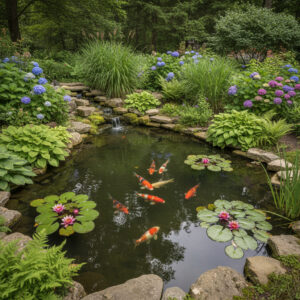
Building a backyard pond is a fantastic way to enhance your outdoor living space, create a haven for wildlife, and add a touch of serenity to your property. This comprehensive guide provides everything you need to know about designing, constructing, and maintaining your own backyard pond, transforming your yard into a peaceful oasis.
Why Build a Backyard Pond? The Benefits are Endless
A backyard pond offers a wealth of benefits, extending far beyond mere aesthetics. Consider these compelling reasons to add a pond to your landscape:
-
- Enhanced Aesthetics: A well-designed pond instantly elevates the visual appeal of your backyard, creating a focal point and adding natural beauty.
-
- Attracting Wildlife: Ponds provide essential habitat for various creatures, including frogs, dragonflies, birds, and beneficial insects, enriching your local ecosystem.
-
- Stress Reduction: The soothing sounds of water and the sight of aquatic life can significantly reduce stress and promote relaxation.
-
- Increased Property Value: A professionally installed and maintained pond can increase the value of your property.
-
- Educational Opportunity: A pond provides a hands-on learning experience about nature, ecology, and aquatic life for children and adults alike.
-
- Customization and Personalization: You can tailor your pond’s design, size, and features to perfectly match your style and preferences.
Planning Your Backyard Pond: Design Considerations
Before you start digging, careful planning is crucial. This stage sets the foundation for a successful and enjoyable pond.
Determining the Ideal Size and Location for Your Pond
The size of your pond will depend on the available space, your budget, and your desired features. Consider these factors:
-
- Space Availability: Assess your yard’s dimensions and identify areas that can accommodate a pond without overcrowding.
-
- Sunlight Exposure: Aim for a location that receives a mix of sunlight and shade. Excessive sunlight can lead to algae growth, while too much shade can hinder plant growth. Ideally, 4-6 hours of direct sunlight is optimal.
-
- Proximity to Utilities: Avoid digging near underground utilities like gas lines, water pipes, and electrical cables. Contact your local utility company to mark the location of these services before you begin.
-
- Visibility: Choose a location where you can easily view and enjoy your pond from your house or patio.
-
- Proximity to Trees: Be mindful of nearby trees. Their roots can damage the pond liner, and falling leaves can contribute to water quality issues. While trees can provide shade, consider the potential drawbacks.
Choosing the Right Pond Liner: Materials and Considerations
The pond liner is the foundation of your pond, preventing water from seeping into the ground. Select a liner based on durability, flexibility, and cost:
-
- Flexible Pond Liners (PVC or EPDM): These are the most popular choices due to their durability, flexibility, and ease of installation. EPDM (ethylene propylene diene monomer) is generally considered superior due to its UV resistance and longer lifespan.
-
- Rigid Preformed Liners: These are suitable for smaller ponds and offer a simpler installation process. However, they are less flexible in terms of shape and design.
-
- Concrete: While durable, concrete ponds are more expensive and require professional installation. They are also less flexible if you want to modify the pond in the future.
Key Liner Considerations:
-
- Thickness: Choose a liner with sufficient thickness to withstand punctures and tears. For flexible liners, a thickness of 45 mil (thousandths of an inch) is recommended.
-
- UV Resistance: Select a liner that is UV resistant to prevent degradation from sunlight exposure.
-
- Flexibility: A flexible liner is easier to work with and can conform to the contours of your pond.
-
- Size: Calculate the required liner size by adding twice the maximum depth of the pond to both the length and width. This allows for sufficient overlap around the edges.
Designing the Pond’s Shape and Depth: Aesthetics and Functionality
The shape and depth of your pond will influence its aesthetics and functionality. Consider these design elements:
-
- Naturalistic Shapes: Opt for irregular, organic shapes that mimic natural ponds. Avoid perfectly round or rectangular designs.
-
- Varying Depths: Create different depth zones to accommodate various aquatic plants and fish. A shallow shelf (6-12 inches) is ideal for marginal plants, while a deeper zone (at least 2-3 feet) is necessary for fish to survive the winter in colder climates.
-
- Shelving and Terraces: Incorporate shelves and terraces along the edges of the pond to create planting areas and provide access for wildlife.
-
- Waterfalls and Streams: Adding a waterfall or stream can enhance the visual appeal of your pond and improve water circulation.
-
- Rock Placement: Strategically place rocks and boulders around the edges of the pond to create a natural look and provide hiding places for wildlife.
Constructing Your Backyard Pond: A Step-by-Step Guide
Once you have a detailed plan, you can begin the construction process.
-
- Mark the Outline: Use rope, paint, or a garden hose to mark the outline of your pond on the ground.
-
- Dig the Pond: Excavate the pond according to your design, creating the desired depths and shelves.
-
- Prepare the Base: Remove any sharp rocks or debris from the excavated area and compact the soil. Add a layer of sand or geotextile underlayment to protect the liner.
-
- Install the Liner: Carefully unfold the liner and position it over the excavated area. Smooth out any wrinkles and ensure that it fits snugly into the contours of the pond.
-
- Fill the Pond: Begin filling the pond with water, gradually adjusting the liner as it fills.
-
- Secure the Edges: Secure the edges of the liner with rocks, pavers, or soil. You can also create a bog area along the edge to help filter the water.
-
- Add Plants and Decorations: Introduce aquatic plants, rocks, and other decorations to create a natural and aesthetically pleasing environment.
Maintaining Your Backyard Pond: Keeping it Healthy and Beautiful
Regular maintenance is essential to keep your pond healthy and thriving.
Water Quality Management: Filtration and Cleaning
Maintaining good water quality is crucial for the health of your pond ecosystem.
-
- Filtration: Install a pond filter to remove debris, algae, and other contaminants. Choose a filter that is appropriately sized for your pond’s volume. Options include mechanical filters (to remove debris), biological filters (to break down organic waste), and UV sterilizers (to kill algae).
-
- Water Changes: Perform partial water changes (10-20%) regularly to remove accumulated nitrates and replenish essential minerals.
-
- Algae Control: Control algae growth with algaecides, barley straw, or by introducing algae-eating fish like goldfish or koi.
-
- Debris Removal: Regularly remove leaves, twigs, and other debris from the pond surface to prevent them from decomposing and polluting the water. A pond skimmer is helpful for this purpose.
-
- Testing Water Parameters: Regularly test your pond water for pH, ammonia, nitrite, and nitrate levels. These parameters can indicate the health of your pond ecosystem. Aim for a pH between 6.5 and 8.5.
Plant Care: Trimming and Fertilizing
Aquatic plants add beauty and provide essential habitat for wildlife.
-
- Trimming: Regularly trim back overgrown plants to prevent them from crowding the pond and blocking sunlight.
-
- Fertilizing: Fertilize aquatic plants with slow-release aquatic fertilizers to promote healthy growth. Follow the manufacturer’s instructions carefully.
-
- Winterizing: In colder climates, cut back foliage and move sensitive plants to a frost-free location.
Fish Care: Feeding and Health
If you choose to keep fish in your pond, proper care is essential.
-
- Feeding: Feed your fish a high-quality fish food that is appropriate for their species and size. Avoid overfeeding, as uneaten food can pollute the water.
-
- Monitoring Health: Observe your fish regularly for signs of disease or parasites. Common signs include lethargy, fin rot, and unusual behavior.
-
- Winterizing: In colder climates, ensure that your pond has a deep enough area where fish can overwinter below the ice. You may also need to install a pond heater to prevent the pond from freezing solid.
-
- Population Control: Be mindful of the number of fish in your pond. Overcrowding can lead to poor water quality and disease.
Troubleshooting Common Pond Problems
Even with proper planning and maintenance, you may encounter some common pond problems.
-
- Algae Blooms: Excessive algae growth can cloud the water and deplete oxygen levels. Address this with a combination of filtration, water changes, and algae control methods.
-
- Cloudy Water: Cloudy water can be caused by suspended particles, algae blooms, or poor water quality. Improve filtration and perform regular water changes.
-
- Leaks: Check the liner for punctures or tears. Repair any leaks promptly to prevent water loss.
-
- Predators: Protect your fish from predators like herons, raccoons, and cats with netting or fencing.
-
- Foul Odors: Foul odors can indicate poor water quality or decomposition. Improve filtration, remove debris, and perform water changes.
Conclusion: Creating Your Backyard Oasis
Building a backyard pond is a rewarding project that can transform your outdoor space into a tranquil oasis. By carefully planning the design, constructing the pond properly, and maintaining it regularly, you can create a beautiful and thriving ecosystem that you can enjoy for years to come. Remember to consider your local climate and environmental conditions when making design and maintenance decisions. With patience and attention to detail, your backyard pond will become a cherished feature of your home and garden.
FAQs About Backyard Ponds
-
- How much does it cost to build a backyard pond? The cost varies depending on the size, materials, and complexity of the design. A small, simple pond can cost a few hundred dollars, while a larger, more elaborate pond can cost several thousand.
-
- How long does it take to build a backyard pond? The construction time depends on the size and complexity of the pond. A small pond can be built in a weekend, while a larger pond may take several days or weeks.
-
- What kind of fish can I keep in my backyard pond? Common pond fish include goldfish, koi, and shubunkins. Choose fish that are compatible with your climate and pond size.
-
- How do I winterize my backyard pond? In colder climates, cut back foliage, move sensitive plants indoors, and ensure that your pond has a deep enough area for fish to overwinter below the ice. You may also need to install a pond heater.
-
- How do I prevent algae growth in my backyard pond? Maintain good water quality with filtration, water changes, and algae control methods like algaecides or barley straw.
-
- What size pump do I need for my pond? The correct pump size depends on pond volume and desired water feature. Generally, you need a pump that can circulate the entire pond volume every one to two hours. Consult with a pond supply specialist for recommendations.
-
- What is the best type of pond liner? EPDM liners are generally considered the best due to their durability, flexibility, and UV resistance. However, PVC liners are a more budget-friendly option.