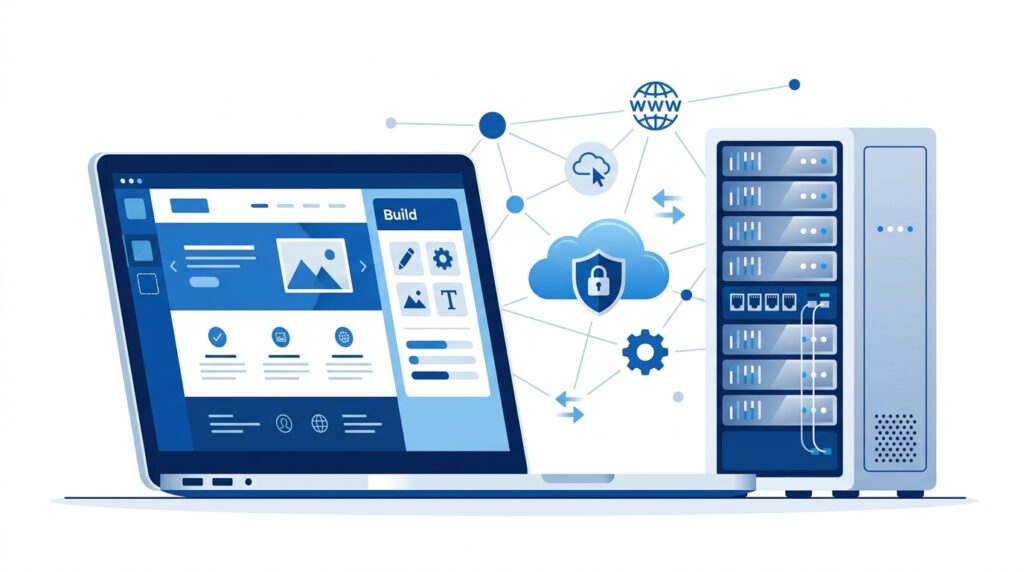
The business landscape has undergone a monumental shift. In 2026, the rise of powerful, accessible software and artificial intelligence has made it possible for a single individual—a solopreneur—to build a highly profitable, scalable, and automated business with minimal overhead. Unlike traditional small businesses that require hiring teams, solopreneurs leverage modern digital tools to do the work of a 10-person agency.
Whether you want to escape the 9-to-5, build a side hustle, or establish a full-time digital consulting practice, this guide outlines the exact roadmap to start your solopreneur business from scratch.
—
What is a Solopreneur?
A solopreneur is an entrepreneur who runs their business single-handedly. While they may occasionally hire freelancers for specific projects, they do not have full-time employees. They rely heavily on automation, outsourcing, and digital platforms to manage client onboarding, marketing, billing, and content delivery.
Why 2026 is the Ultimate Time to Start:
- Advanced AI Leverage: Tools like Jasper and ChatGPT handle drafting, copy editing, and creative ideation.
- Low Setup Costs: You don’t need a physical office or expensive servers. A reliable hosting plan and a few software subscriptions are all you need.
- Global Access: You can secure clients, sell digital products, and partner with brands anywhere in the world from your laptop.
—
Step 1: Choose Your Core Business Model
To succeed, you must focus on a business model that scales without consuming every hour of your day. The three most profitable models for solopreneurs in 2026 are:
1. Freelance Services & Digital Consulting: Offering high-value skills (like copywriting, SEO strategy, software development, or design) directly to corporate clients.
2. Digital Content & Affiliate Marketing: Creating a niche blog, YouTube channel, or newsletter, and earning revenue through ad networks and product recommendations.
3. Digital Products & Memberships: Creating e-books, online courses, Notion templates, or communities that customers can purchase on autopilot.
—
Step 2: Establish Your Digital Home (Website Setup)
Your website is your storefront, resume, and sales engine. Avoid relying solely on social media platforms; you need an asset you own.
To build a fast, reliable website, you need high-performance web hosting. For solopreneurs starting out, we recommend Hostinger. It offers high speeds, a free domain name, and highly secure staging environments at an affordable price point.
🛠️ Recommended Tool: For a detailed breakdown of hosting options, read our complete Hostinger Web Hosting Review. If you are comparing top providers, check out our head-to-head comparison of Hostinger vs Bluehost.
—
Step 3: Setup Email Marketing & Audience Building
Your email list is your most valuable asset. Social media algorithms change constantly, but your inbox connection to your audience is permanent. You should start capturing email subscribers from day one, even before you launch a product.
An effective email marketing engine should allow you to segment users, send automated welcome sequences, and build clean landing pages without coding. ConvertKit (now Kit) is the premier tool for digital creators and solopreneurs because of its visual automation builder and high deliverability rates.
📧 Recommended Tool: To find out if this platform fits your specific workflow, read our in-depth ConvertKit Review. If you are deciding between platforms, see our comparative guide on ConvertKit vs Mailchimp.
—
Step 4: Scale Content Creation with AI
To drive traffic to your site and social channels, you must publish high-quality content consistently. However, writing every article, newsletter, and social post from scratch is impossible for a solopreneur. This is where AI writing assistants become essential.
Using an enterprise-grade writing tool like Jasper AI allows you to maintain a consistent “Brand Voice” and write marketing campaigns, blog outlines, and ad copy in seconds.
✍️ Recommended Tool: For an analysis of its features, workflows, and pricing, read our comprehensive Jasper AI Review.
—
Step 5: Implement Core Automations
To keep your business running while you sleep, set up these three essential automation workflows:
- The Onboarding Pipeline: Use Calendly integrated with Google Meet and Stripe to automatically schedule discovery calls and collect payments.
- The Welcome Sequence: Set up an email automation in ConvertKit that delivers a free download (lead magnet) instantly when someone signs up.
- The Task Manager: Connect your forms to Notion or Trello using Zapier to track client projects automatically.
By establishing these foundations, you will build a resilient, profitable solopreneur business that gives you financial freedom and control over your time. Begin by securing your hosting and setting up your home base today!