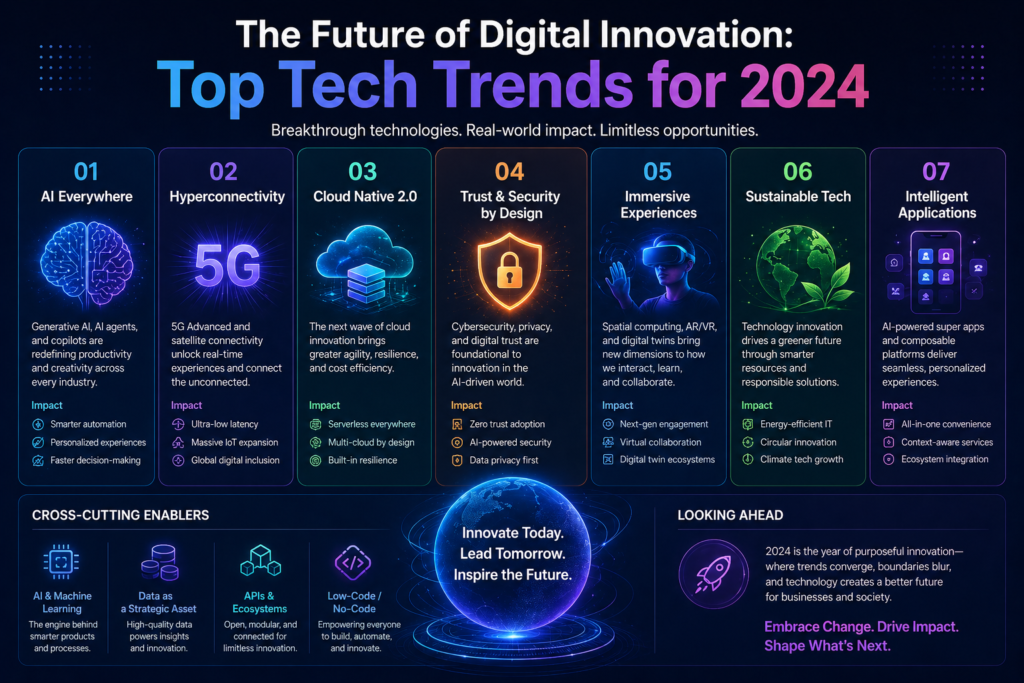
The Dawn of a New Digital Era: Navigating 2024 Trends
As we move further into the decade, the digital landscape is not just evolving; it is being fundamentally rewritten. The convergence of advanced artificial intelligence, decentralized community structures, and rigorous regulatory frameworks is creating a new paradigm for businesses and consumers alike. For stakeholders at jecoaff.com, staying ahead of these trends is no longer optional—it is a prerequisite for survival in an increasingly competitive global market. From the way we search for information to the way we manage financial transactions in Southeast Asia, the shifts are profound and permanent.
This comprehensive report delves into the core technologies and strategies defining this year, including the transition from traditional search to generative engine optimization, the rise of agentic AI integration, and the complexities of Philippine fintech compliance. We will explore how hyper-personalized digital products and niche community platforms are replacing the generic ‘one-size-fits-all’ approach of the previous decade.
From SEO to Generative Engine Optimization (GEO)
For nearly two decades, Search Engine Optimization (SEO) has been the cornerstone of digital visibility. However, the rise of Large Language Models (LLMs) like ChatGPT, Claude, and Gemini has introduced a new challenge: generative engine optimization (GEO). Unlike traditional search engines that provide a list of blue links, generative engines synthesize information into direct answers. This shift requires content creators to focus on ‘cite-ability’ and authority rather than just keyword density.
GEO involves structuring data so that AI models can easily parse and credit it within their responses. This includes using structured data schemas, providing clear and factual citations, and ensuring that brand mentions are associated with high-quality, relevant contexts. Businesses that fail to adapt to generative engine optimization risk becoming invisible in a world where users increasingly rely on AI assistants to make purchasing decisions and gather information.
The Era of Hyper-Personalized Digital Products
The modern consumer expects more than just a product; they expect an experience tailored specifically to their needs, behaviors, and preferences. We are seeing a massive surge in hyper-personalized digital products that leverage real-time data to adapt their interfaces and offerings. This level of personalization goes beyond simply putting a user’s name in an email; it involves dynamic content generation that changes based on user intent.
The Rise of AI-Powered Learning Modules
One of the most significant applications of this trend is in education and corporate training. AI-powered learning modules are now capable of assessing a learner’s progress in real-time, identifying gaps in knowledge, and instantly generating custom exercises to address those weaknesses. This ensures that no two students have the same experience, maximizing retention and efficiency. For jecoaff.com users, this means that future educational resources will likely be modular and adaptive, providing exactly what the user needs at the moment they need it.
Automated Workflow Ebooks and Value-Added Content
In the realm of B2B marketing, the traditional whitepaper is being replaced by automated workflow ebooks. These are not static PDFs but interactive tools that help users map out their business processes while they read. By integrating automation scripts directly into the content, these ebooks provide immediate utility, transforming a passive reading experience into an active operational improvement tool.
Streamlining Operations with Low-Code and AI
Efficiency is the primary driver of the modern enterprise. To achieve this, companies are moving away from heavy, expensive software suites in favor of more agile solutions. Low-code internal tools have empowered non-technical staff to build custom dashboards, automation pipelines, and communication bridges without needing a full development team. This democratization of software creation has drastically reduced the time-to-market for internal innovations.
Agentic AI Integration: The Next Step in Automation
While standard AI can generate text or images, agentic AI integration takes things a step further. Agentic AI refers to systems that can take independent action to achieve a goal. For example, instead of just drafting an email, an agentic AI can research a prospect, find their contact information, draft a personalized message, and schedule the follow-up in a CRM. This shift from ‘AI as a tool’ to ‘AI as a teammate’ is revolutionizing productivity across all sectors, from marketing to supply chain management.
The Architecture of Connectivity: Super Apps and Niche Platforms
The way we interact online is becoming both more centralized and more fragmented. On one hand, we see the rise of cross-platform super apps. These are singular ecosystems where a user can message friends, order food, pay bills, and book travel. Following the success of WeChat in China, Western and Southeast Asian markets are seeing a push toward these all-in-one platforms to capture more user ‘stickiness.’
Conversely, there is a growing fatigue with massive, anonymous social media platforms. This has led to the explosion of niche community platforms. These are smaller, often gated communities focused on specific interests, industries, or demographics. For affiliate marketers and content creators, these platforms offer a much higher conversion rate because the audience is highly engaged and the trust levels are significantly higher than on broad-reach platforms like Facebook or X.
Specialized Connectivity: Real-Time Sports Booking API
In the leisure and entertainment sector, the demand for instant gratification is driving technical innovation. The implementation of a real-time sports booking API allows platforms to offer seamless, instantaneous reservations for facilities and events. Whether it is booking a tennis court or securing a spot in a high-stakes tournament, these APIs ensure that inventory is updated in milliseconds, preventing overbooking and enhancing the user experience. This technology is particularly relevant for the growing sports and igaming intersection where timing is everything.
Navigating the Regulatory Landscape: Philippine Fintech Compliance
As digital innovation accelerates, so does the regulatory response. This is especially true in Southeast Asia, where the Philippines has emerged as a hub for fintech growth. However, with growth comes scrutiny. Navigating Philippine fintech compliance has become a complex task for startups and established players alike. The Bangko Sentral ng Pilipinas (BSP) has introduced rigorous frameworks for digital banking, e-wallets, and virtual asset service providers.
Compliance is no longer just a legal hurdle; it is a competitive advantage. Companies that can demonstrate strict adherence to Anti-Money Laundering (AML) and Know Your Customer (KYC) regulations in the Philippines gain the trust of both the regulator and the consumer. As the region moves toward an Open Finance framework, staying compliant while maintaining a seamless user experience will be the ultimate balancing act for fintech innovators.
Conclusion: Embracing the Future of Digital Integration
The trends we are witnessing today—generative engine optimization, agentic AI integration, and the rise of hyper-personalized digital products—are not isolated events. They are interconnected parts of a broader digital transformation. For businesses operating in 2024, the goal is clear: utilize low-code internal tools to remain agile, leverage niche community platforms to build trust, and ensure that every technological advancement is backed by solid regulatory standing, particularly in markets governed by Philippine fintech compliance.
The future belongs to those who can integrate these disparate technologies into a cohesive strategy. Whether you are building cross-platform super apps or deploying a real-time sports booking API, the focus must remain on providing value to the end-user through intelligent automation and personalized engagement. At jecoaff.com, we remain committed to tracking these developments and providing you with the insights needed to navigate this exciting, ever-changing digital landscape.