The Convergence of Intelligence and Accessibility
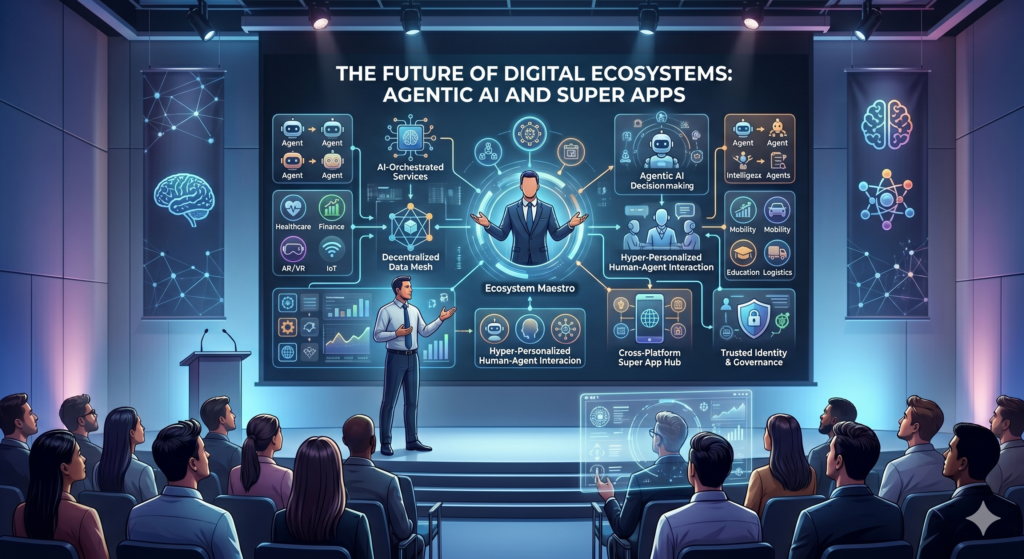
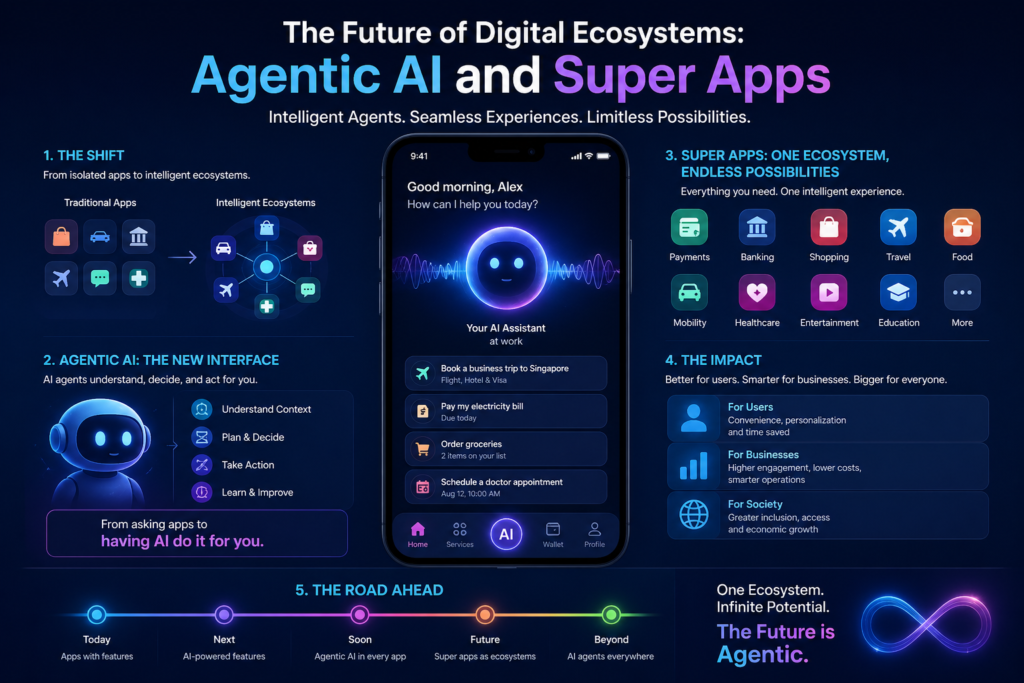
The digital landscape is undergoing a seismic shift, driven by the convergence of autonomous intelligence and all-in-one platform architectures. We are moving past the era of simple automation and entering the age of agentic AI integration. Unlike traditional AI that merely responds to prompts, agentic AI acts as an autonomous collaborator, capable of executing complex multi-step tasks across various environments. This evolution is particularly visible in the rise of cross-platform super apps, which are becoming the primary gateway for users to interact with the digital world. These platforms are no longer just social media or payment apps; they are comprehensive ecosystems that integrate everything from financial services to real-time sports booking API features, creating a seamless user experience that was previously impossible.
The Power of Agentic AI Integration
Agentic AI represents a paradigm shift in how businesses and consumers interact with technology. While generative AI has dominated headlines for its ability to create content, agentic AI focuses on utility and execution. In a business context, this means AI agents can manage supply chains, handle complex customer service inquiries without human intervention, and even optimize marketing budgets in real-time. For the average user, agentic AI integration within their favorite apps means having a personal assistant that doesn’t just suggest a restaurant but actually checks availability, makes the reservation, and coordinates transportation. This level of autonomy is what will define the next generation of digital products, moving us from a reactive tech environment to a proactive one.
The Rise of Cross-Platform Super Apps and Real-Time Connectivity
In regions like Southeast Asia and increasingly in the West, the concept of the ‘super app’ is gaining unprecedented traction. These cross-platform super apps aim to be the ‘operating system’ for a user’s life. By integrating a real-time sports booking API, for example, a super app allows a user to book a tennis court, find a partner, and pay for the session all within a single interface. This eliminates the friction of switching between multiple applications and managing various logins. The technical backbone of these apps relies on robust APIs and microservices that ensure data is synchronized in real-time across different platforms, whether the user is on mobile, web, or a wearable device.
The Strategic Advantage of Real-Time Sports Booking API
Integrating specialized services like a real-time sports booking API provides super apps with a competitive edge in the lifestyle market. As health and fitness become central to the modern lifestyle, the ability to offer instant access to facilities is a high-value feature. These APIs provide up-to-the-second data on availability, pricing, and location, allowing the super app to offer a hyper-personalized digital product experience. Users receive suggestions based on their previous activity patterns, local weather, and even their social circle’s preferences, making the app an indispensable part of their daily routine.
Navigating Philippine Fintech Compliance in a Digital Age
As these digital ecosystems expand, they inevitably intersect with the world of finance. For companies operating in or expanding to the Southeast Asian market, Philippine fintech compliance has become a critical focal point. The Bangko Sentral ng Pilipinas (BSP) has been proactive in creating frameworks that encourage innovation while ensuring consumer protection and financial stability. Navigating these regulations requires a deep understanding of KYC (Know Your Customer), AML (Anti-Money Laundering), and data privacy laws. For a super app to succeed in this region, it must integrate these compliance measures into its core architecture, ensuring that every transaction, from a simple peer-to-peer transfer to a complex investment, meets local legal standards.
The Role of Low-Code Internal Tools in Compliance
To keep up with the fast-moving regulatory environment, many fintech companies are turning to low-code internal tools. These tools allow compliance officers and non-technical staff to build and modify workflows quickly without waiting for a full development cycle. By using low-code platforms, firms can automate the reporting process, update risk assessment modules, and ensure that their operations remain compliant with the latest Philippine fintech compliance updates. This agility is essential in a market where regulations can shift rapidly in response to new technological threats or opportunities.
The New Frontier: Generative Engine Optimization (GEO)
With the rise of AI-driven search and discovery, traditional SEO is being supplemented—and in some cases, replaced—by generative engine optimization (GEO). As users increasingly turn to AI agents and chatbots to find information, businesses must optimize their content to be easily ‘digestible’ and citable by these generative models. GEO involves structuring data in a way that AI models can accurately interpret and recommend to users. This means focusing on authority, clear data structures, and providing direct answers to complex queries. For jecoaff.com and similar platforms, mastering GEO is the key to remaining visible in a world where the search bar is being replaced by a conversation.
Hyper-Personalized Digital Products and User Retention
The ultimate goal of GEO and agentic AI is to deliver hyper-personalized digital products. Today’s consumers expect experiences tailored specifically to their needs, preferences, and current context. Whether it is a personalized news feed, a custom-built investment portfolio, or a curated shopping list, hyper-personalization drives engagement and long-term loyalty. By leveraging machine learning algorithms that analyze vast amounts of user data, companies can predict what a user wants before they even ask for it, creating a ‘magical’ user experience that feels intuitive and effortless.
Education and Community: The Human Element of Tech
Technology is not just about tools; it is about people and how they learn and connect. AI-powered learning modules are revolutionizing the way we acquire new skills. These modules adapt in real-time to a learner’s pace, identifying gaps in knowledge and providing targeted resources to bridge them. This is particularly useful in the corporate world, where automated workflow ebooks and digital training manuals are becoming standard. These resources provide employees with the knowledge they need to navigate complex internal systems and new software platforms, such as the aforementioned low-code tools.
The Power of Niche Community Platforms
While super apps aim for broad reach, there is a simultaneous trend toward niche community platforms. These are specialized digital spaces where individuals with specific interests can gather, share knowledge, and collaborate. Unlike the ‘town square’ feel of major social media networks, niche platforms offer a more curated and meaningful interaction. For businesses, these communities represent a goldmine of highly engaged users. By integrating these communities into a broader ecosystem or supporting them through specialized tools, brands can build deep trust and brand advocacy that is impossible to achieve through traditional advertising.
Conclusion: Embracing the Integrated Future
The future of the digital world is one of deep integration and intelligent automation. From the agentic AI integration that manages our daily tasks to the cross-platform super apps that serve as our primary interface with the world, the boundaries between different digital services are blurring. However, this progress must be balanced with responsibility. Adhering to Philippine fintech compliance and other global regulations ensures that this new era is safe and equitable for all users. By leveraging low-code internal tools, mastering generative engine optimization, and focusing on hyper-personalized digital products, businesses can not only survive but thrive in this rapidly changing environment. As we move forward, the focus will remain on how these technologies can better serve the human experience, through AI-powered learning modules and the cultivation of niche community platforms.