Small business owners often face the challenge of maximizing efficiency while minimizing costs. With the rise of artificial intelligence (AI), there are numerous opportunities to automate routine tasks, improve decision-making, and ultimately drive business growth. This article will guide you through practical AI automation tips tailored specifically for small businesses.
Understanding the Benefits of AI Automation
AI can transform small businesses by automating repetitive tasks, analyzing data for insights, and improving customer interaction. Here are some key benefits:
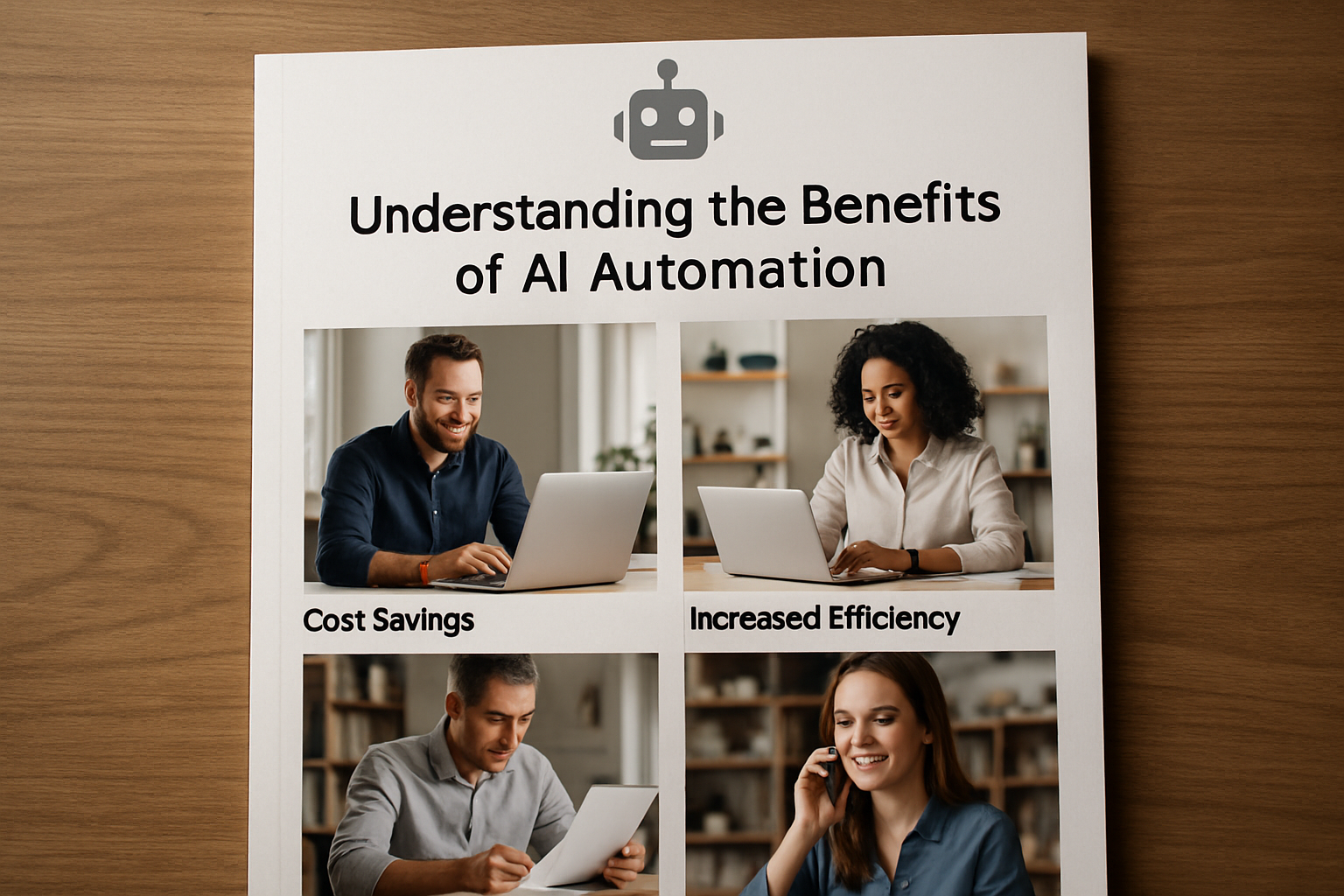
- Cost Reduction: Automating tasks reduces the need for manual labor, leading to significant savings. For example, AI can handle data entry and processing tasks that would otherwise require hiring additional staff.
- Improved Efficiency: AI tools can handle tasks faster and more accurately than humans. This includes everything from managing emails to sorting and analyzing large data sets, allowing employees to focus on more strategic activities.
- Enhanced Customer Experience: AI chatbots and personalization algorithms improve customer satisfaction and loyalty by providing timely and relevant interactions.
Implementing AI in Customer Service
Customer service is a critical area where AI can make a significant impact. Consider these strategies:

- Deploy AI Chatbots: Use chatbots to handle common customer queries, freeing up staff for more complex issues. Chatbots can provide 24/7 support, ensuring that customer inquiries are addressed promptly.
- Personalize Customer Interactions: Implement AI systems that analyze customer data to tailor interactions and offers. This can lead to increased sales and customer loyalty, as customers feel understood and valued.
Streamlining Operations with AI
AI can optimize various operational aspects of your business:
- Inventory Management: Use AI to predict demand and automate stock replenishment, reducing the risk of overstocking or stockouts. AI can analyze sales trends and seasonal patterns to make accurate forecasts.
- Workflow Automation: Automate routine tasks like scheduling and data entry. AI can also assist in project management by assigning tasks based on employee availability and skill sets, ensuring efficient use of resources.
Creating a Decision Framework for AI Adoption
Before implementing AI, consider this framework to make informed decisions:
| Factor | Consideration |
|---|---|
| Cost | Assess the initial investment versus long-term savings. Calculate the return on investment (ROI) by considering both direct and indirect benefits of AI implementation. |
| Scalability | Ensure the AI solution can grow with your business. Look for platforms that offer modular features that can be expanded as your business needs evolve. |
| Support | Evaluate the availability of technical support and training. A reliable vendor should offer comprehensive support to help you navigate any challenges during implementation and beyond. |
Common Pitfalls and How to Avoid Them
Implementing AI in small businesses can come with challenges. Here’s how to avoid common pitfalls:
- Over-reliance on AI: Balance AI with human oversight to ensure quality control. While AI can handle many tasks, human intuition and creativity are still invaluable in decision-making processes.
- Data Privacy Concerns: Implement robust data protection measures to protect customer information. Ensure compliance with regulations such as GDPR or CCPA to maintain customer trust.
Key Takeaways
- AI can significantly reduce costs and improve efficiency in small businesses.
- Start with customer service and operations for quick wins in AI implementation.
- Create a decision framework to assess AI solutions before adoption.
- Avoid over-reliance on AI by maintaining a balance with human oversight.
- Protect customer data with strong privacy measures.
- Continuously evaluate the performance of AI tools to ensure they meet your business objectives.
Frequently Asked Questions
What is the first step in implementing AI in a small business?
Begin by identifying repetitive tasks that can be automated, such as customer service or inventory management. Conduct an audit of your current processes to pinpoint areas that can benefit most from AI.
How can AI improve customer service?
AI can enhance customer service through chatbots that handle routine inquiries and personalized interactions based on data analysis. This allows human agents to focus on complex issues, improving overall service quality.
Is AI affordable for small businesses?
Yes, many AI tools are affordable and offer scalable solutions that grow with your business needs. Additionally, cloud-based AI services often provide flexible pricing models that accommodate small business budgets.
What are the risks of using AI in small businesses?
Potential risks include over-reliance on AI and data privacy concerns. These can be mitigated with proper oversight and data protection measures. Regularly updating your AI systems and staying informed about regulatory changes can also help manage these risks.
How do I ensure the AI solution I choose is scalable?
Choose AI solutions that offer flexible plans and can integrate with your existing systems to accommodate future growth. Look for vendors with a track record of supporting businesses as they scale.
Taking the leap into AI can seem daunting for small businesses, but with the right approach, it can lead to significant improvements in efficiency and customer satisfaction. Start by evaluating areas where AI can have the most immediate impact and gradually expand its use as you become more comfortable with the technology.
[…] Maximizing AI for Small Businesses: Practical Automation Tips […]